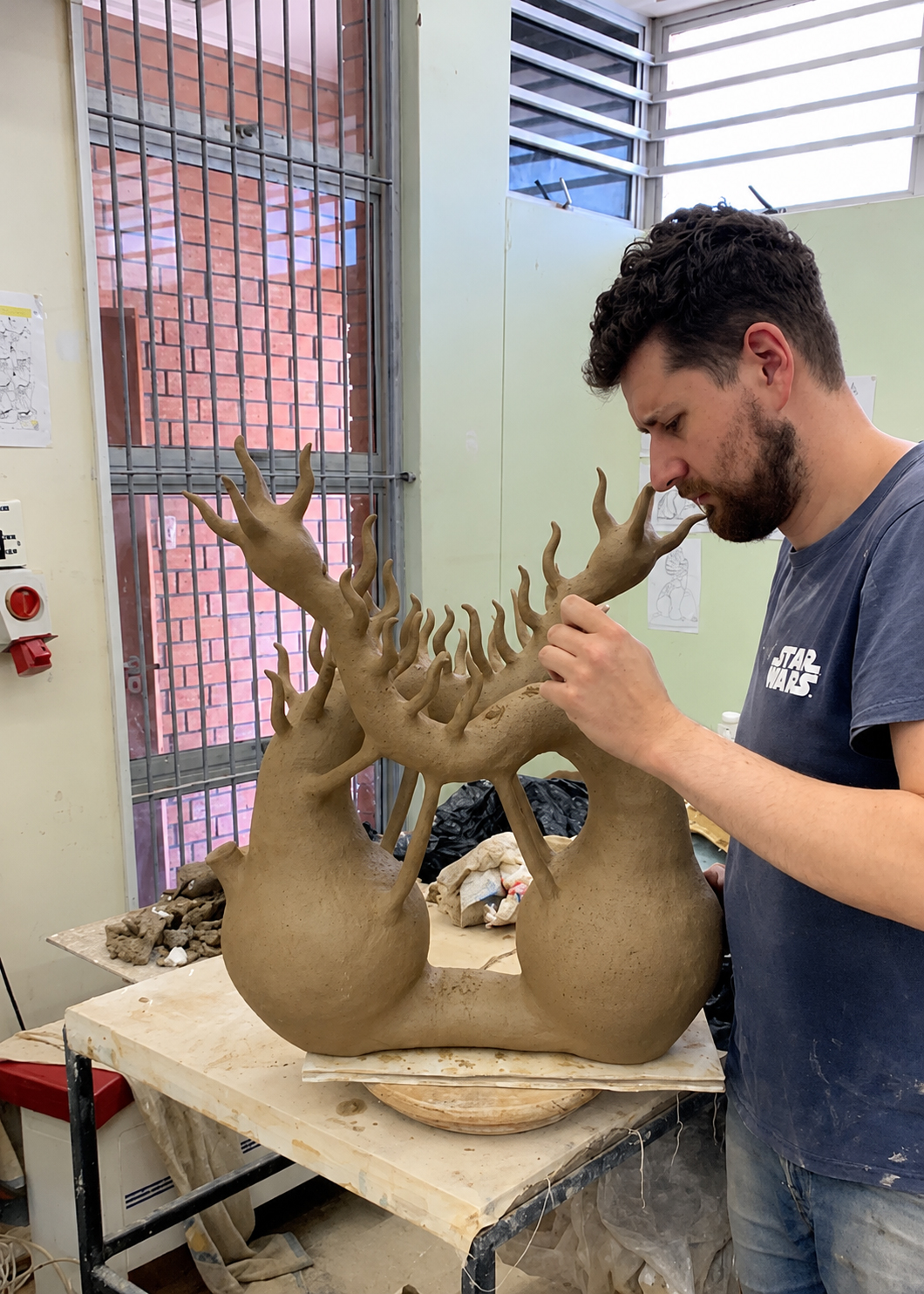
BIOGRAPHY
Juandré van Eck is a ceramic artist based in Gqeberha, South Africa, where he completed his Honours degree in Fine Art at Nelson Mandela University and is currently pursuing a Master’s degree in Fine Art. For two years in a row Van Eck featured in the Sasol New Signatures Top 7, winning a Merit Award in 2024 for his work Waters of Life, and in 2025 he was announced as the Overall Winner for his work Cycles of the Mind.
His practice explores the intersection of ceramics, sound, movement, and embodied experience, creating interactive sculptural vessels that invite participation rather than passive observation.
Working primarily with clay, he investigates how sound, touch, and play can transform the relationship between artwork and viewer. His biomorphic ceramic forms encourage multisensory engagement, challenging the traditionally visual nature of gallery spaces and proposing alternative ways of experiencing contemporary ceramic art.
ARTIST’S STATEMENT | DIE VALLEI VAN ADEM
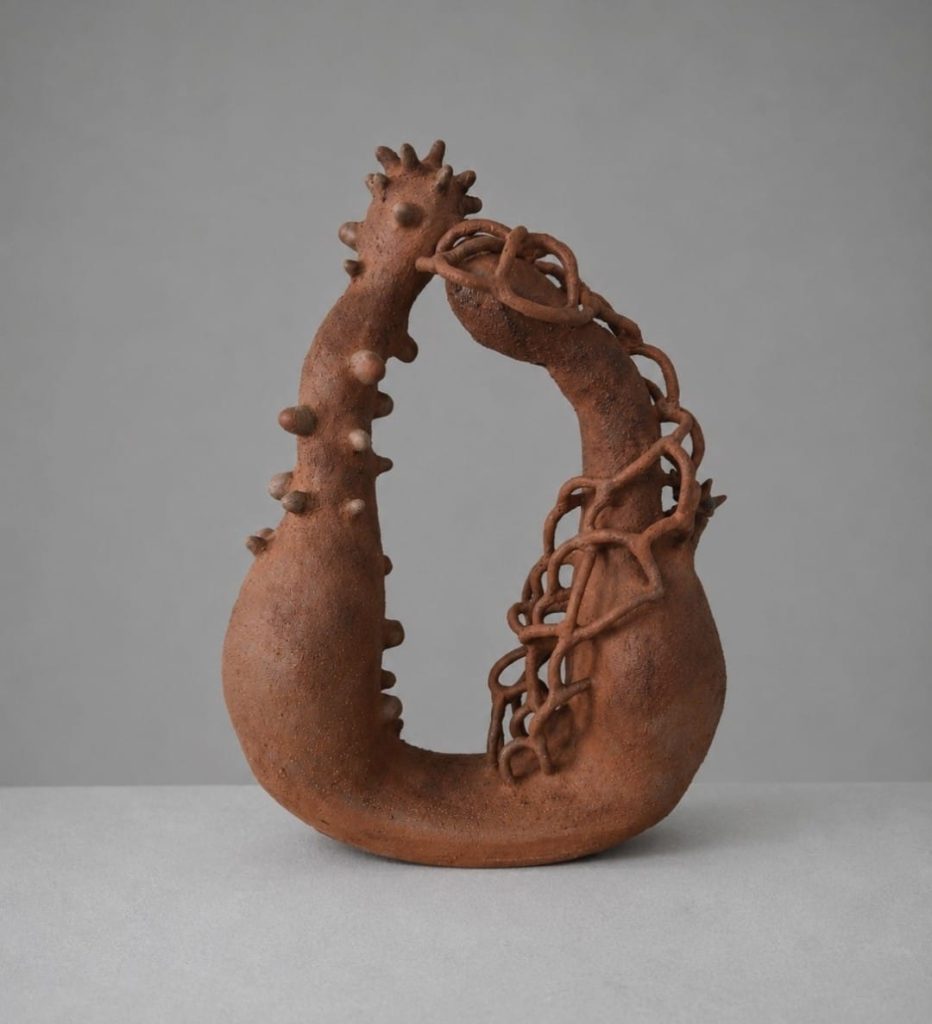
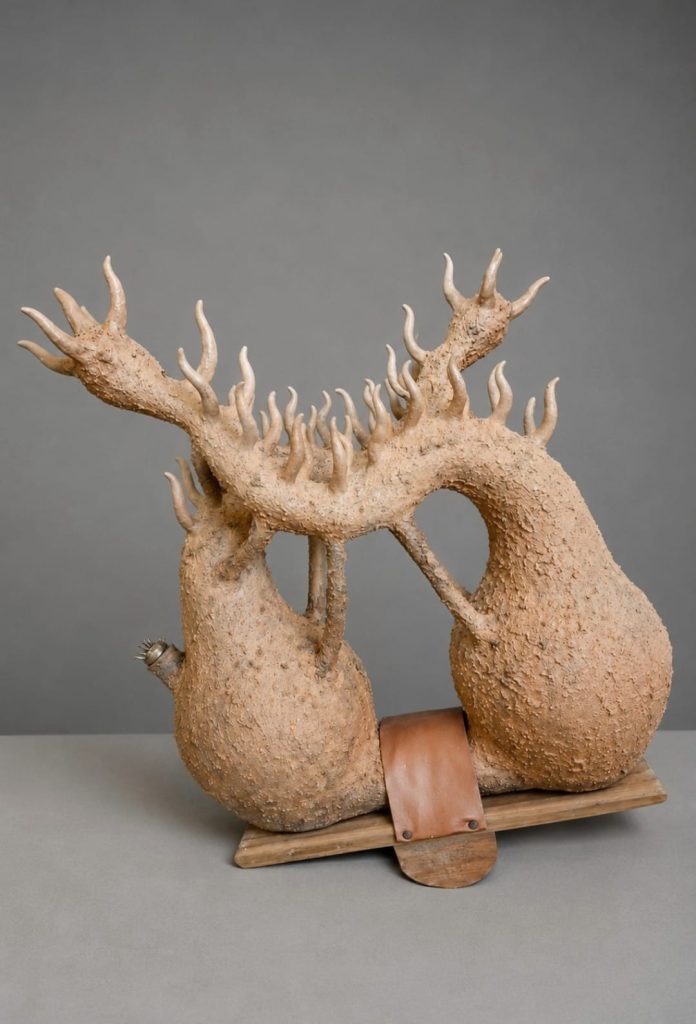
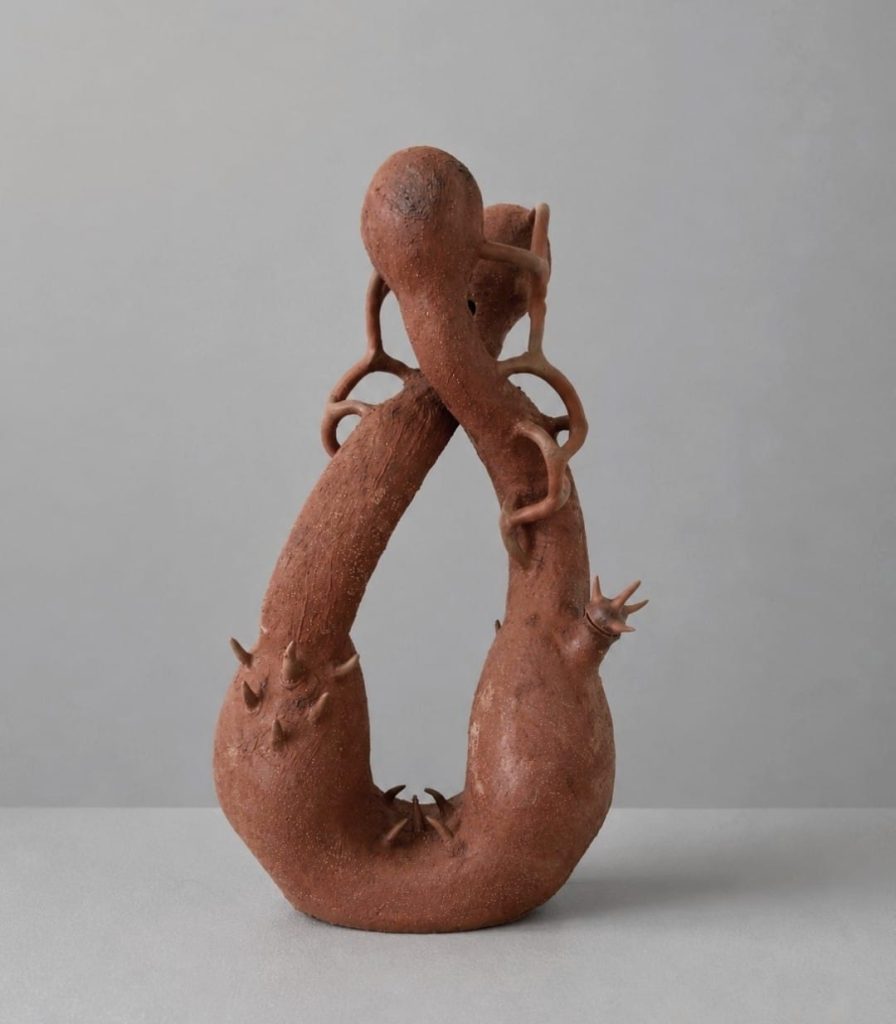
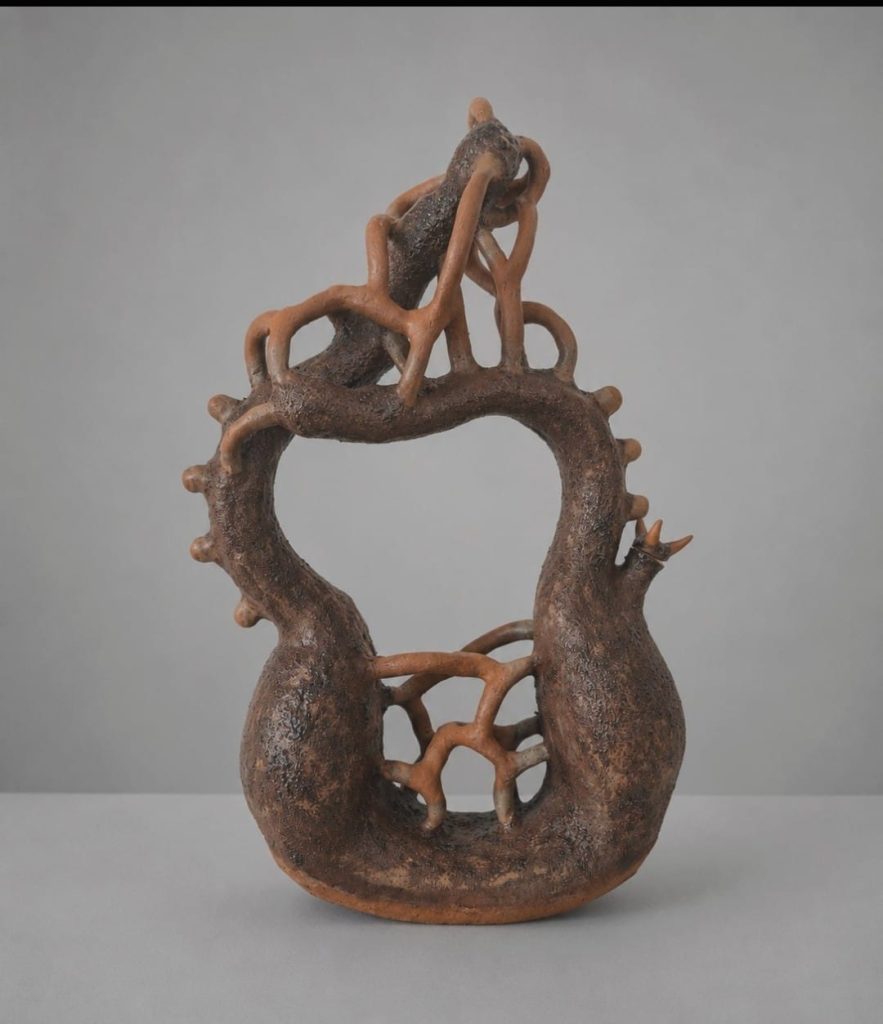
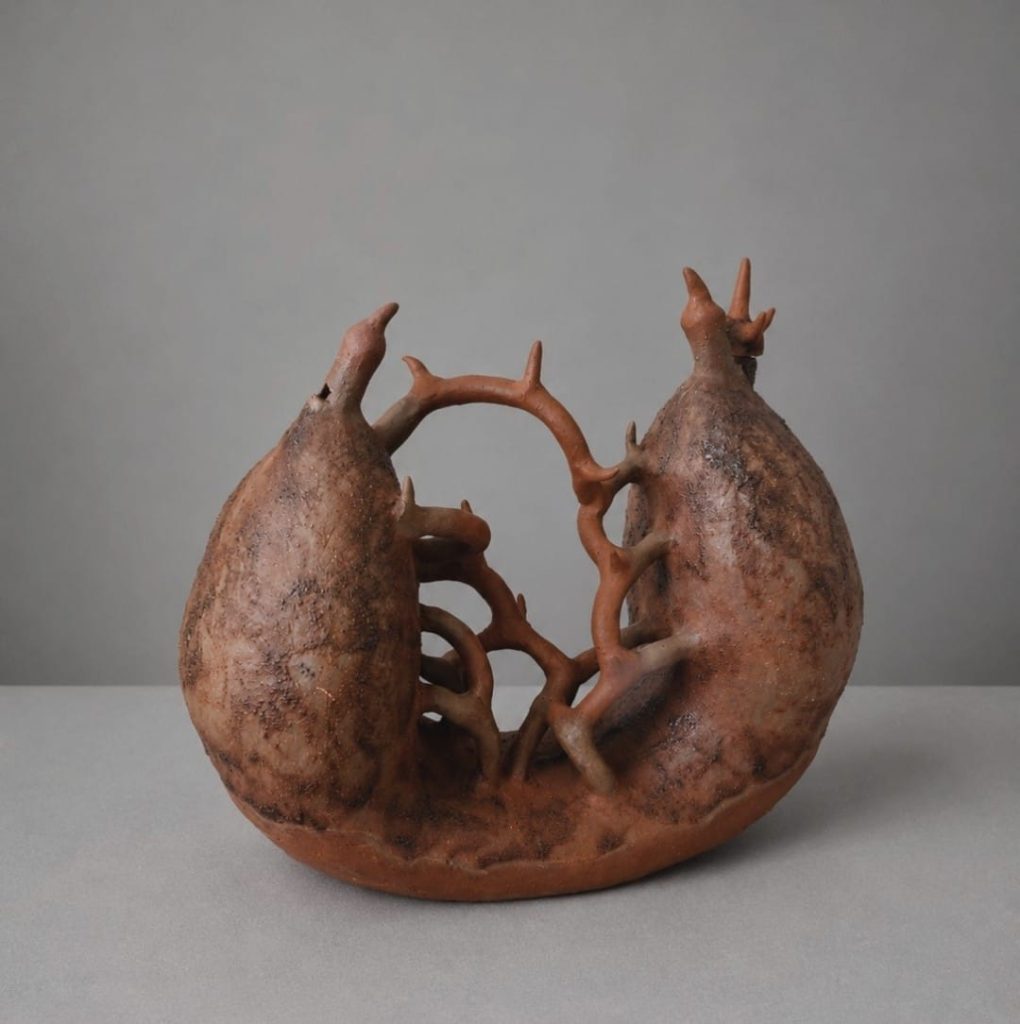
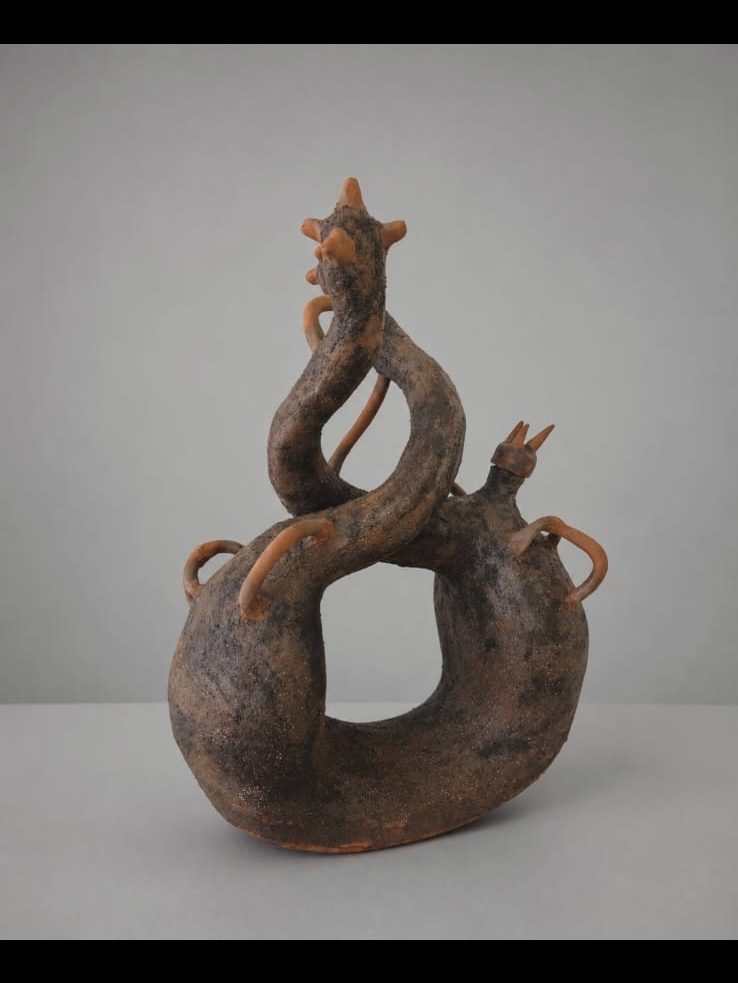
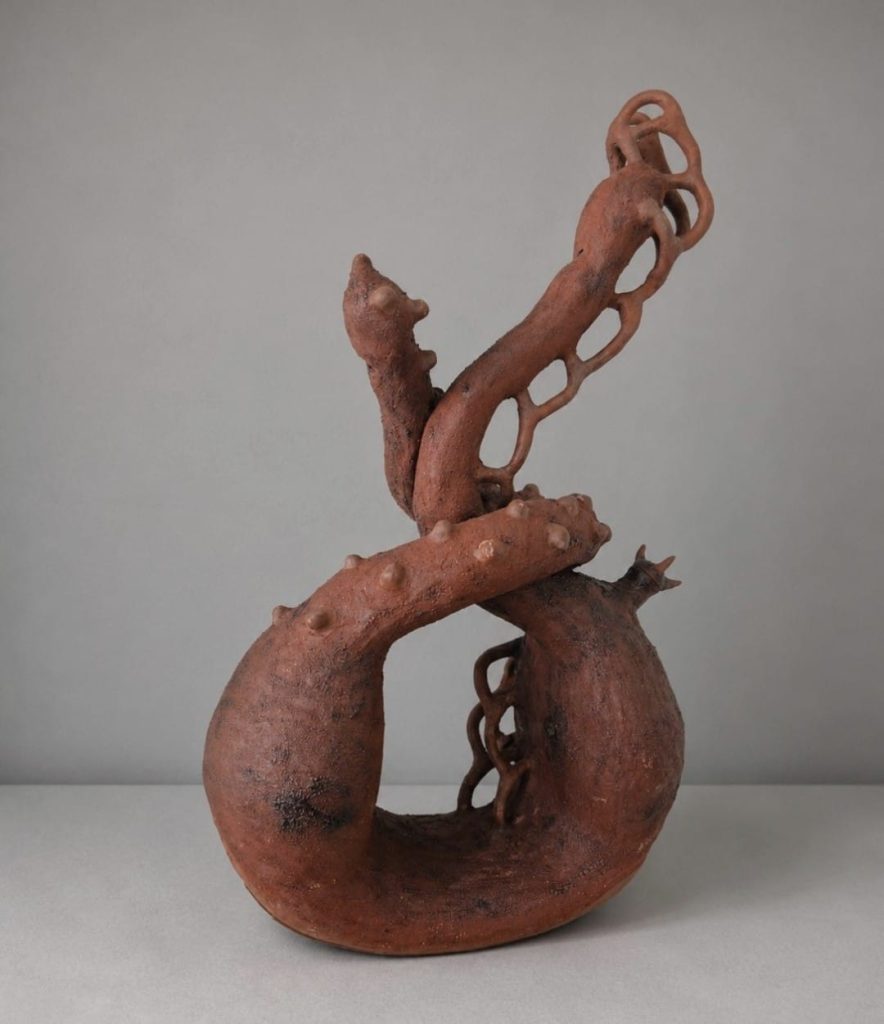
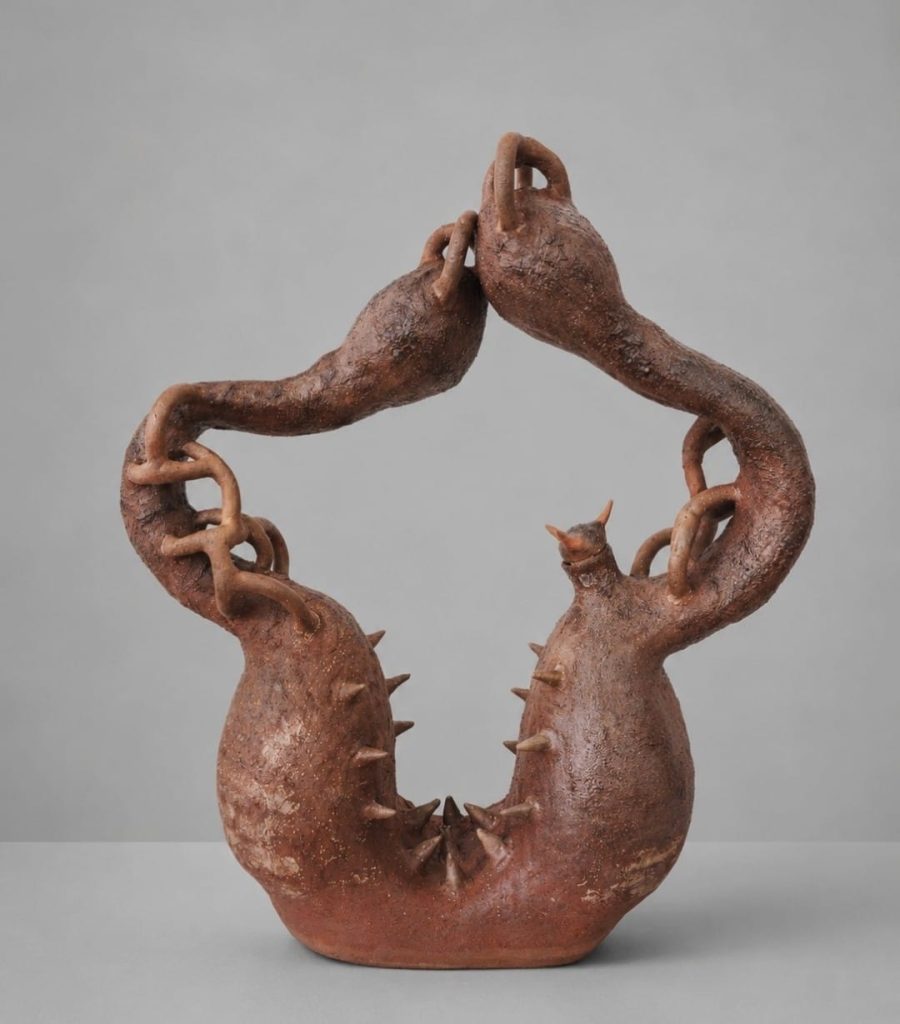
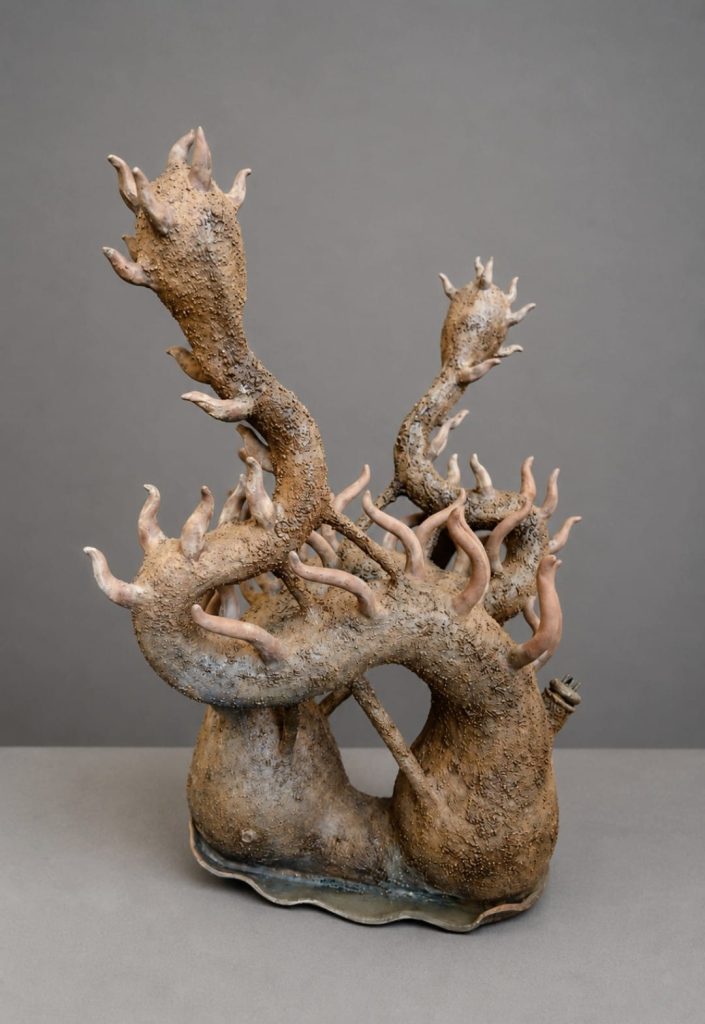
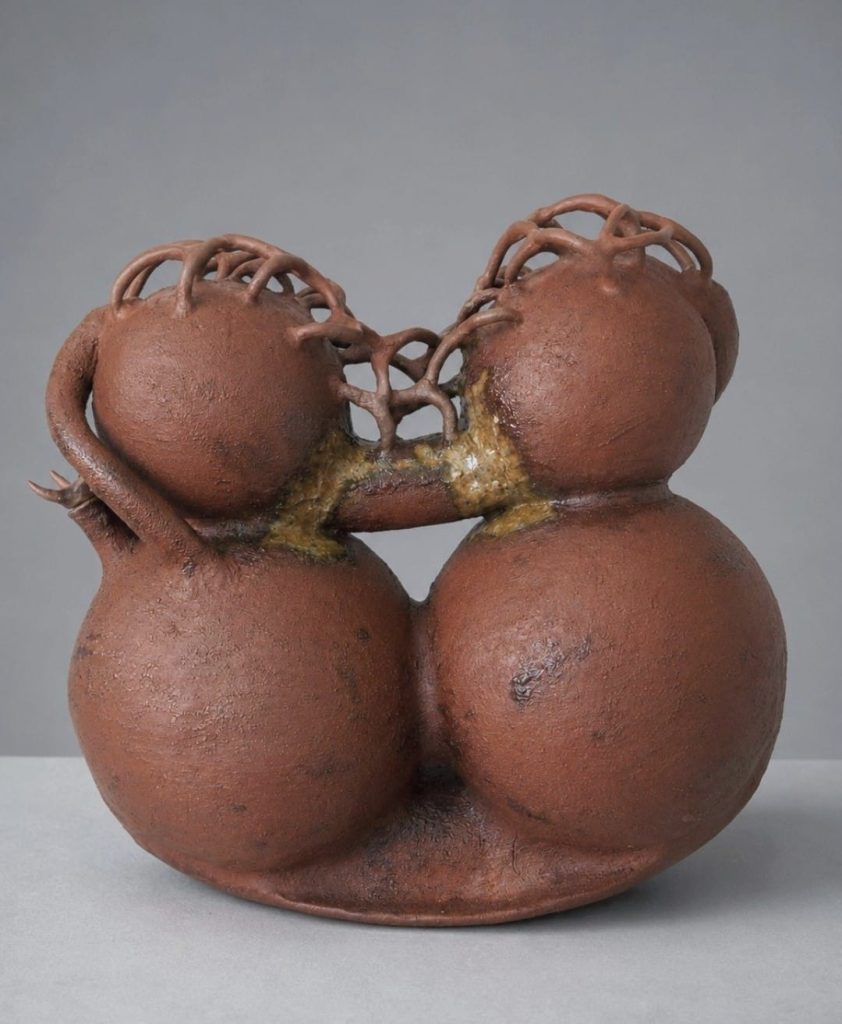
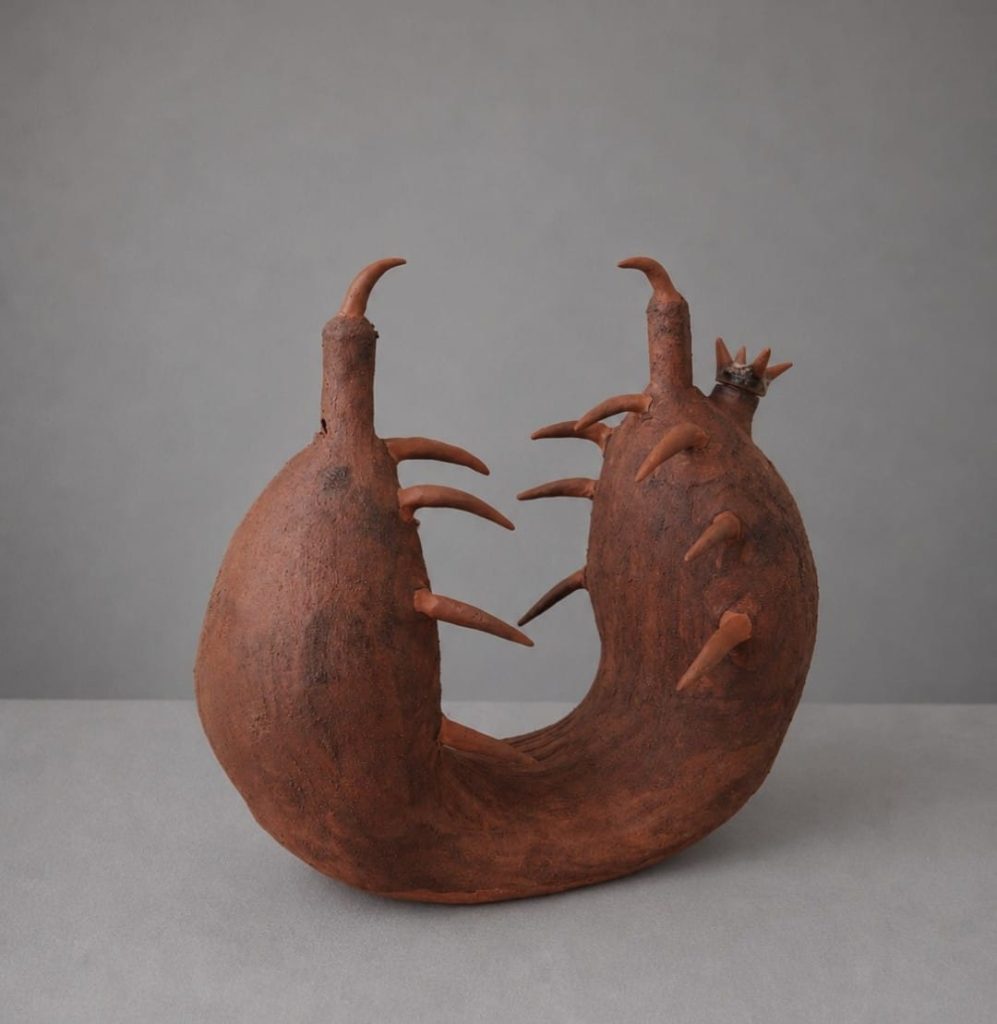
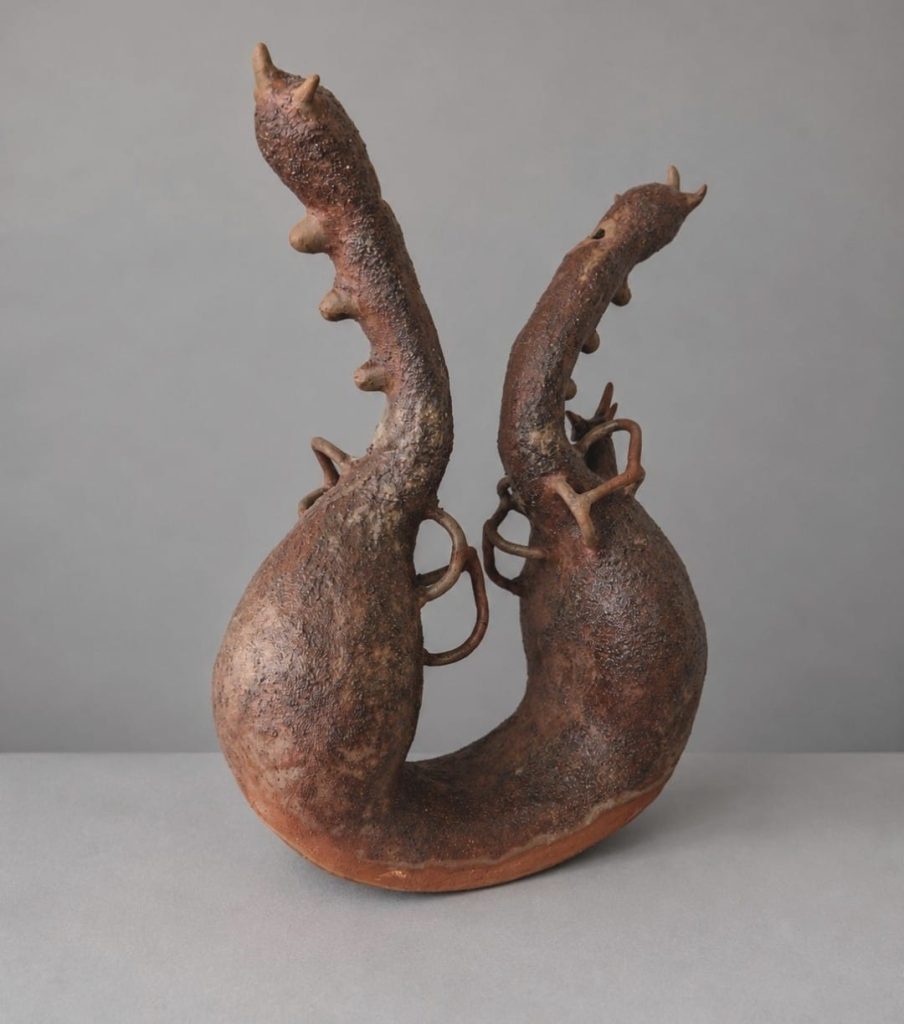
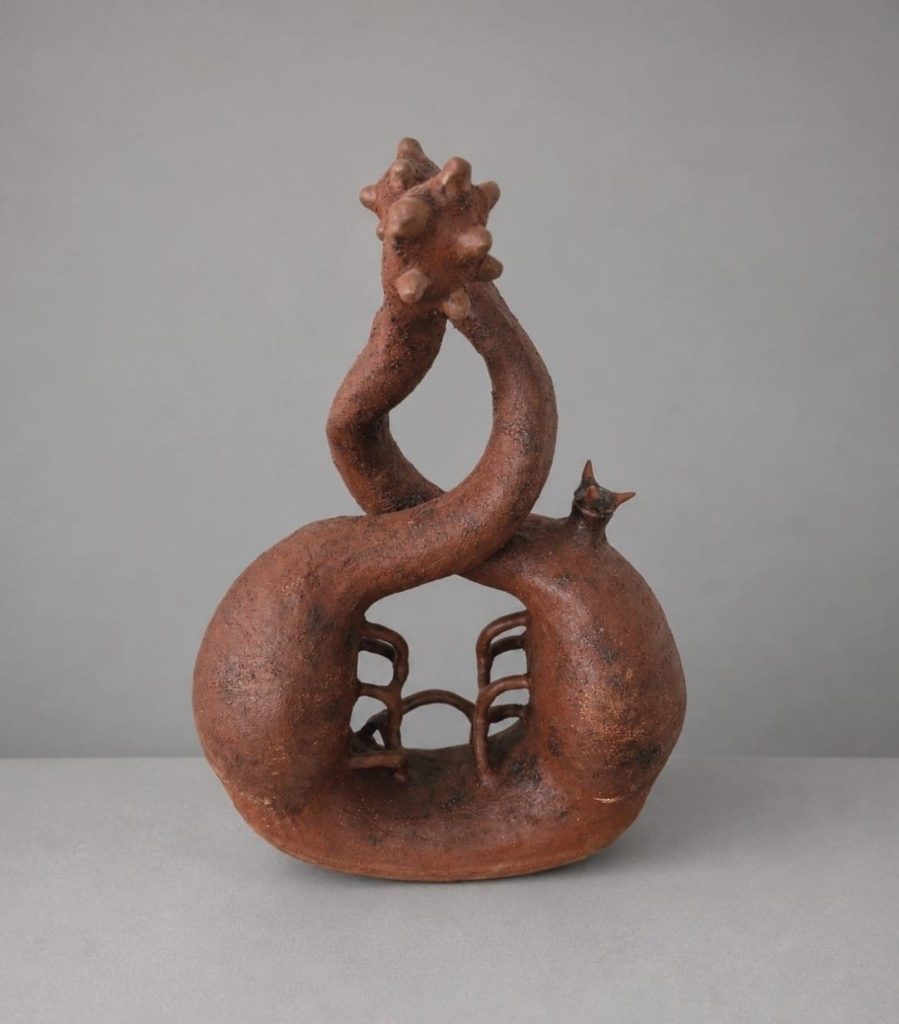
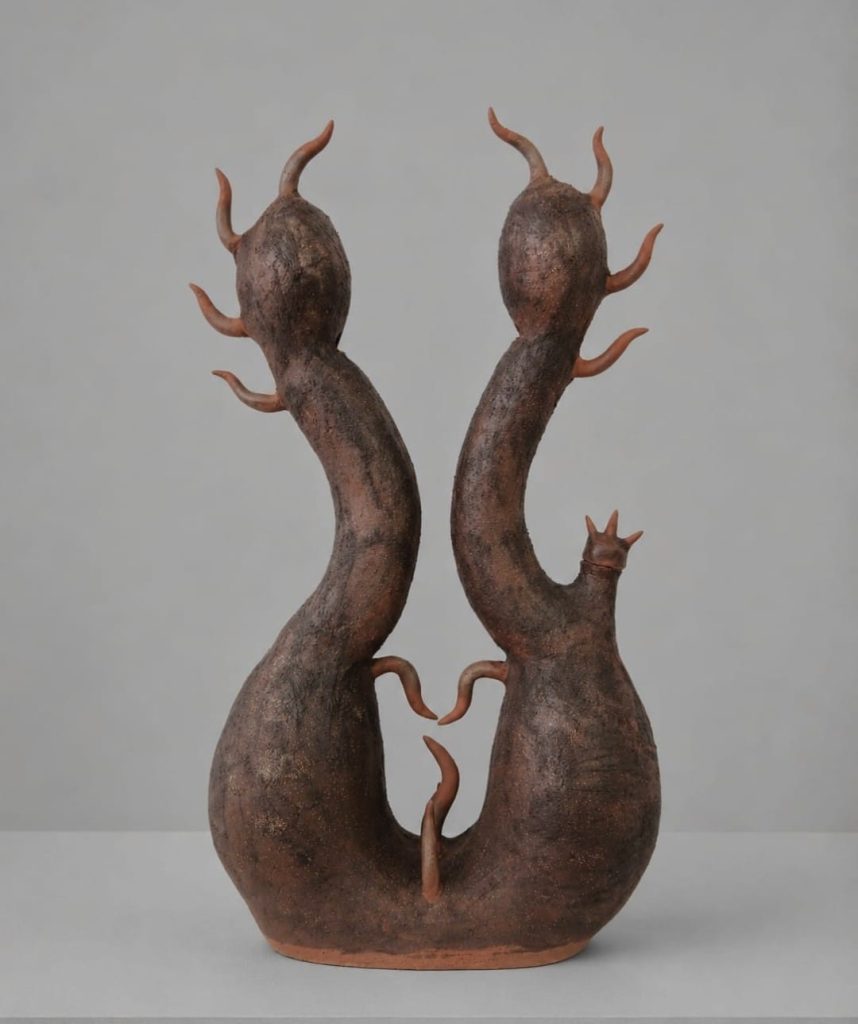
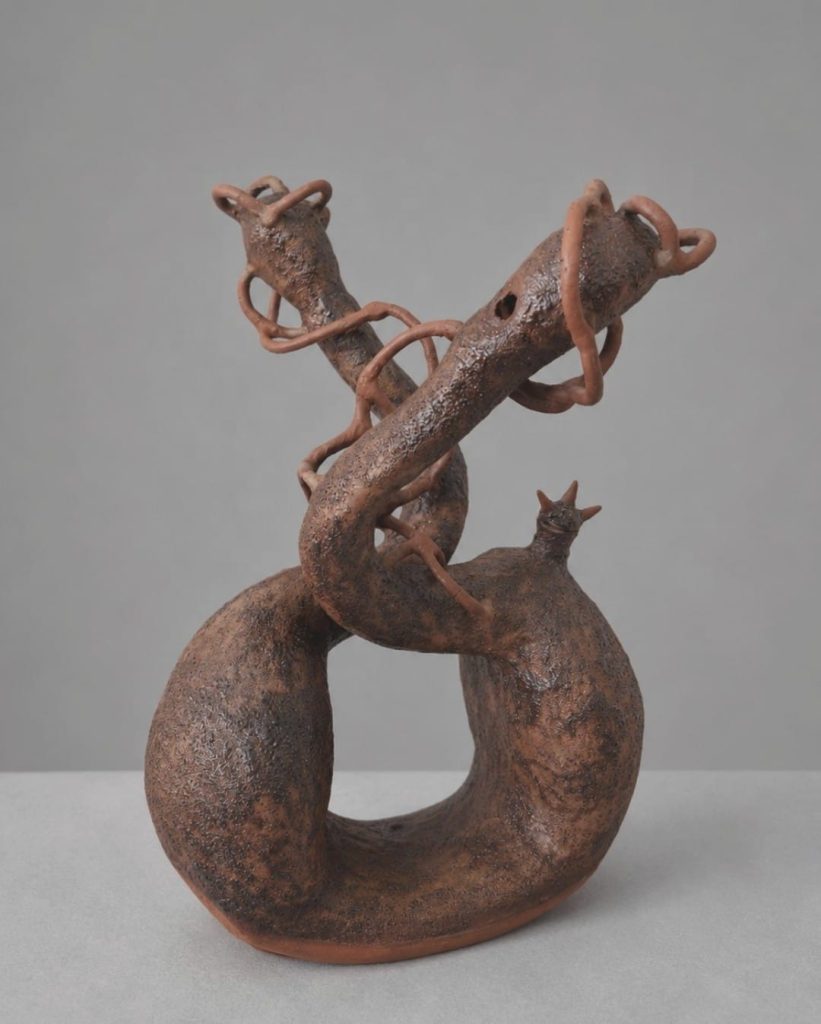
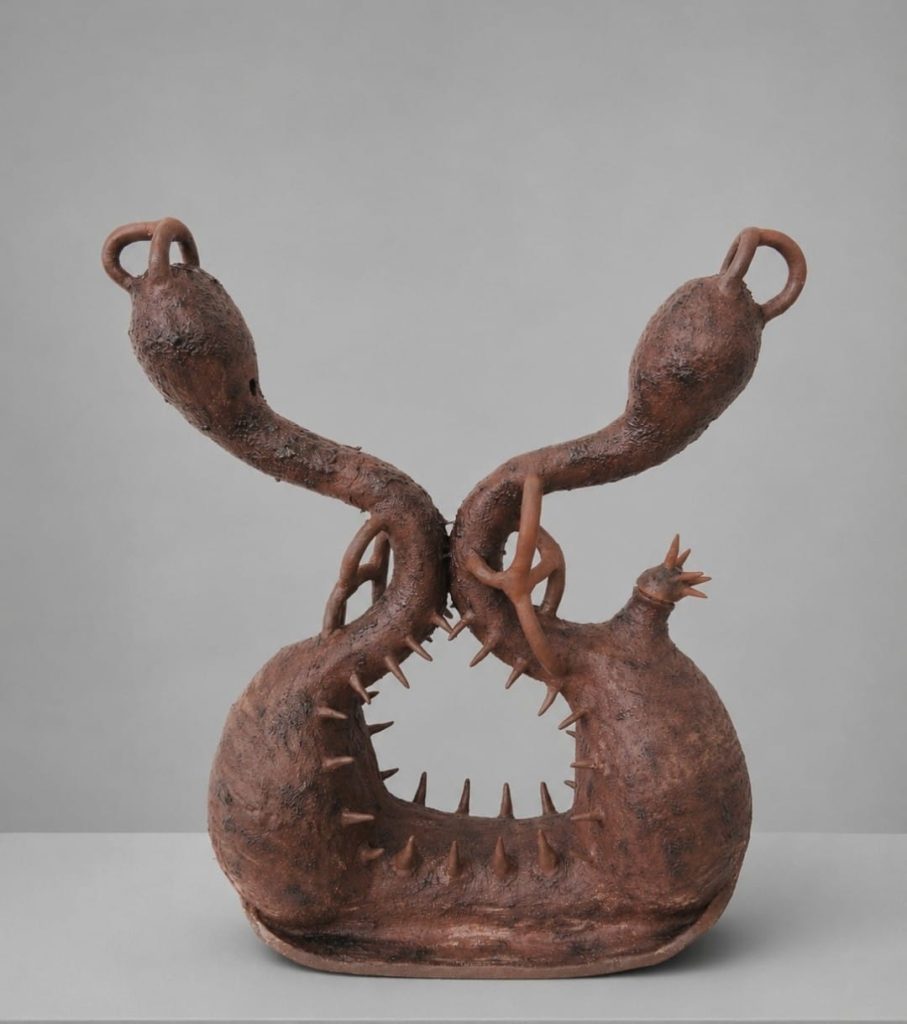
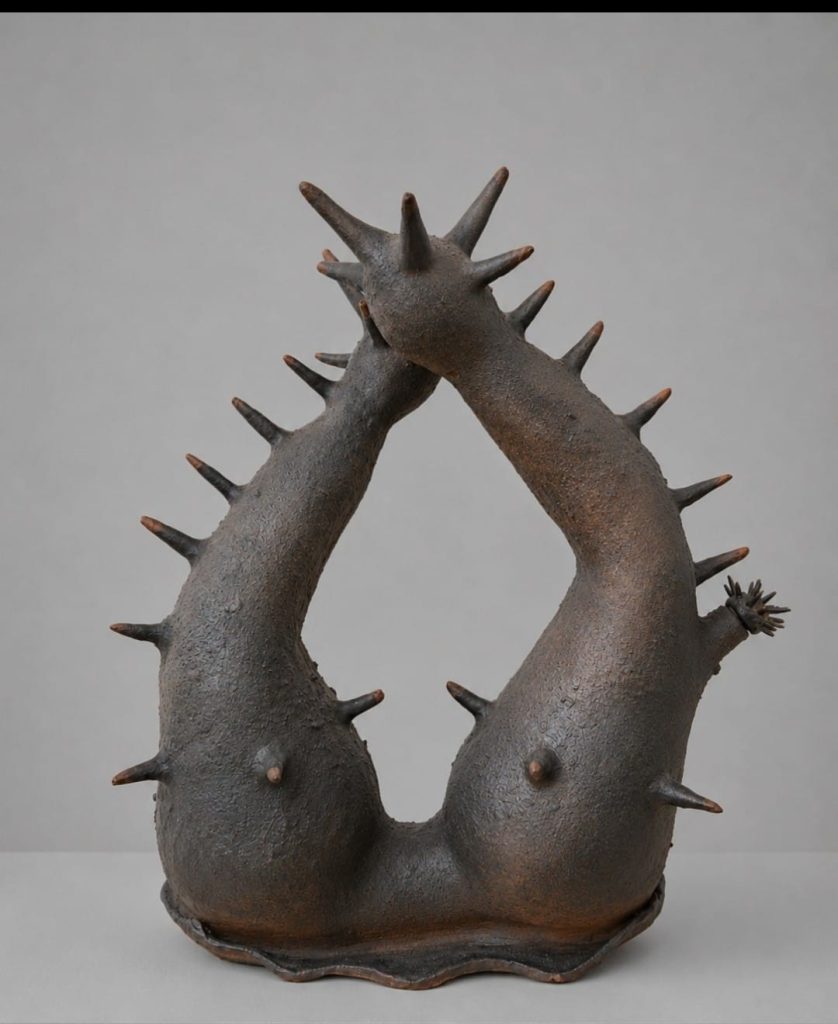
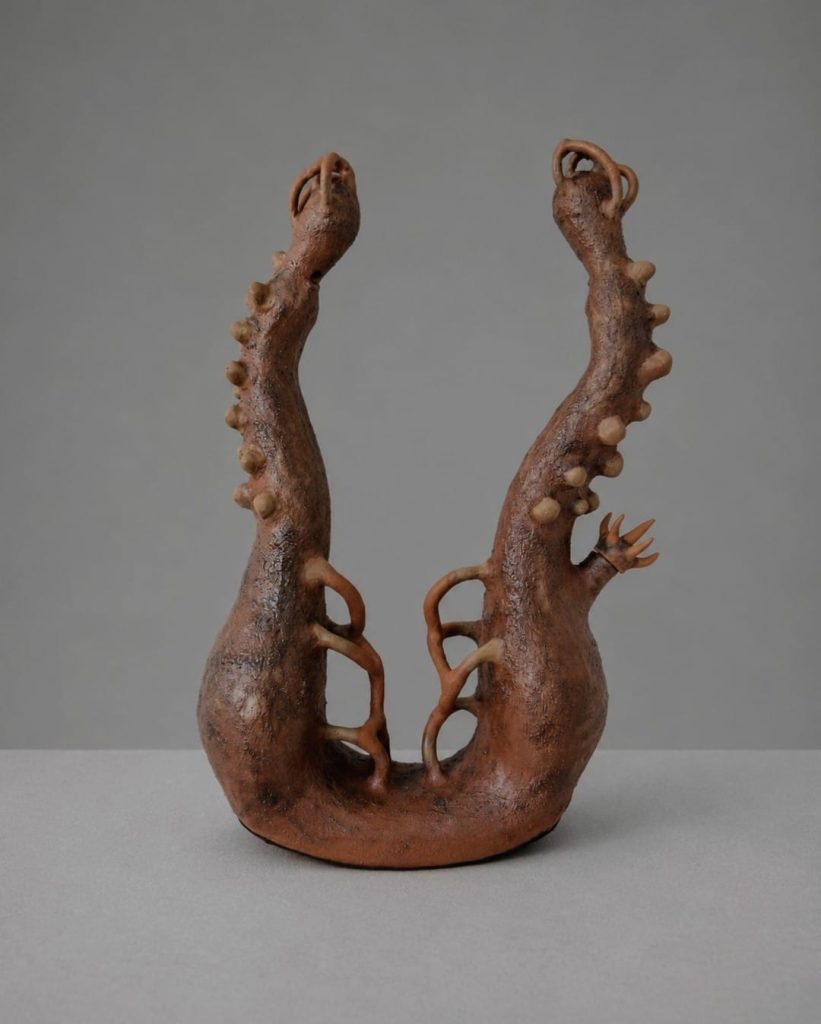
Die Vallei van Adem is a body of ceramic sound vessels that explores the artwork as something to be experienced, rather than simply observed. Rather than existing as static sculptures, the works depend on participation. As each vessel is moved, it draws air into one chamber before passing it through water and out through a whistle. In doing so, the sculpture appears to take a breath. That breath gives the work its voice, while also carrying scent into the surrounding space from the scented water. Through movement, sound, scent, and touch, the sculptures become fully alive only when activated by another person.
Although each vessel has its own voice, they have been created to exist together. Smaller sculptures produce higher tones, while larger forms resonate with deeper sounds, allowing the exhibition to shift from a collection of individual objects into something that feels closer to a choir. As visitors move through the space, they become part of an ever-changing soundscape in which every interaction contributes to the atmosphere of the exhibition.
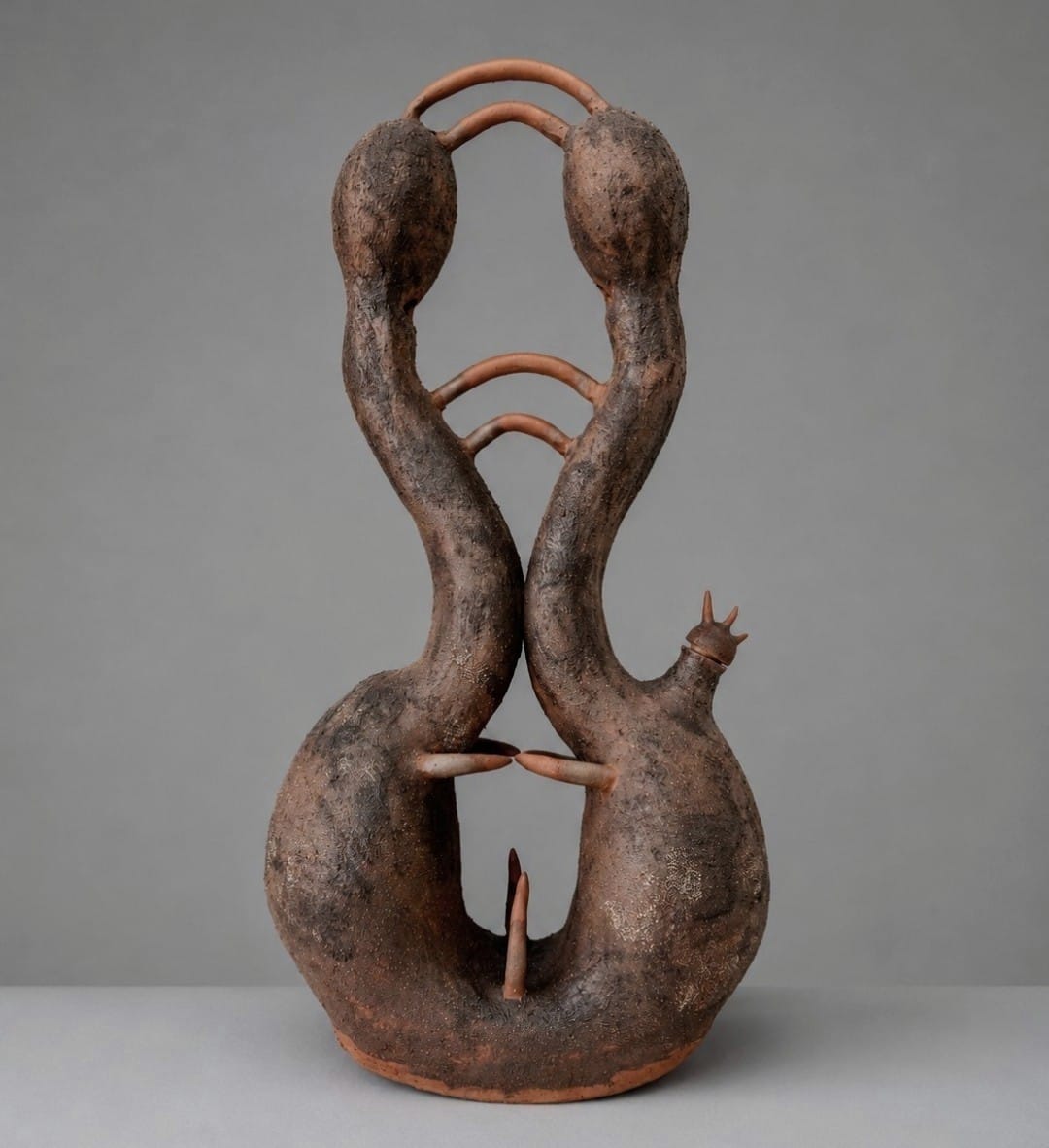
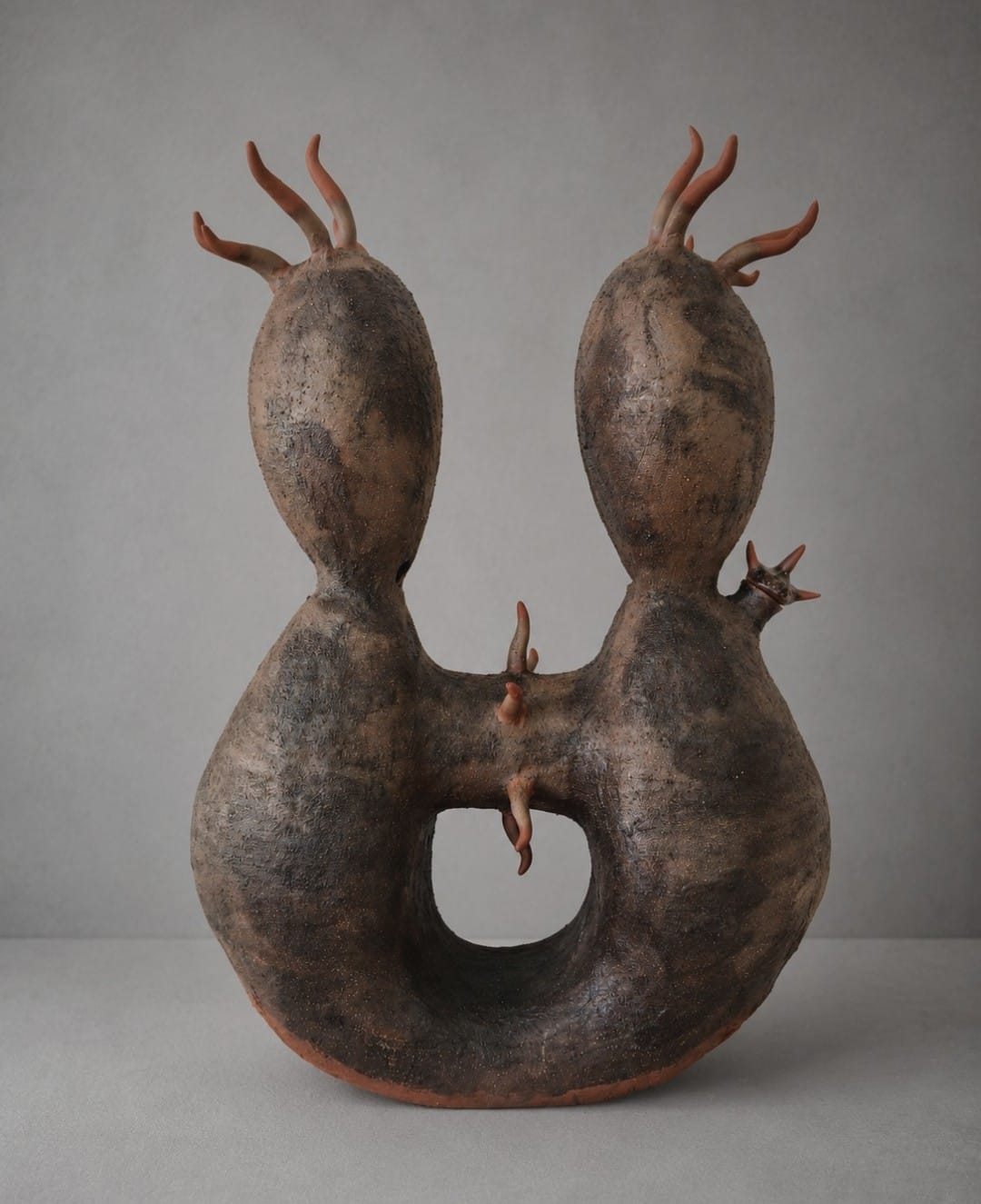
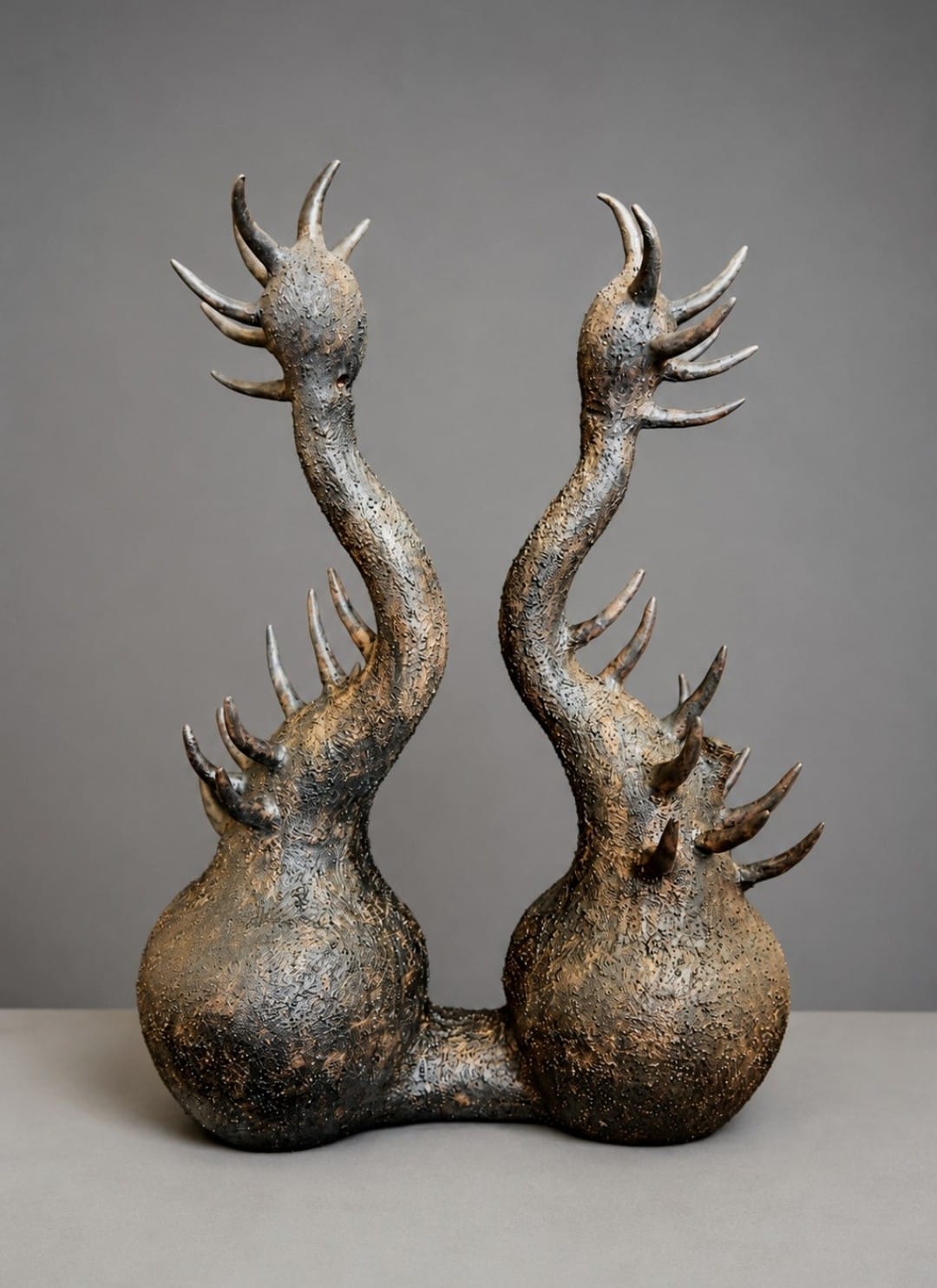
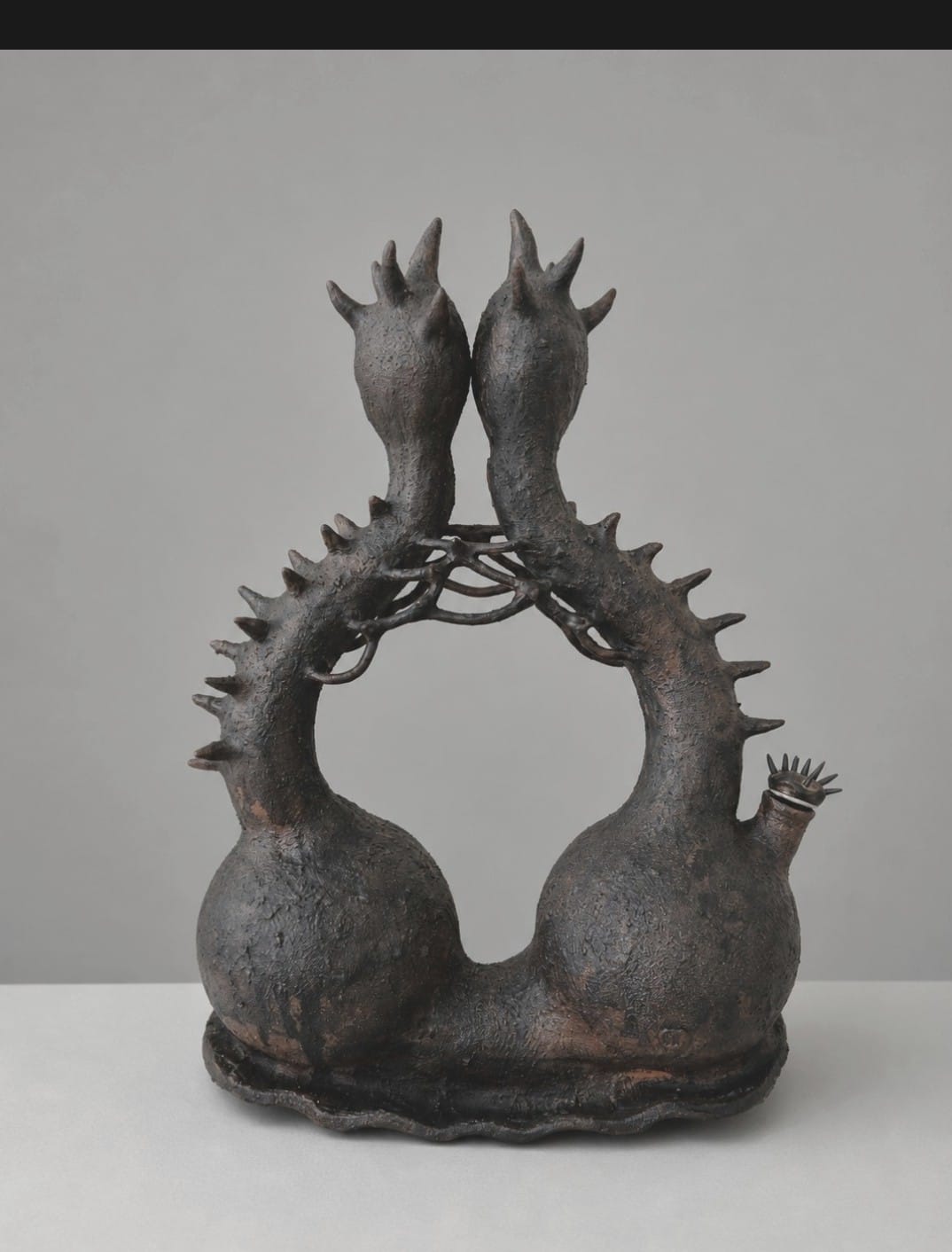
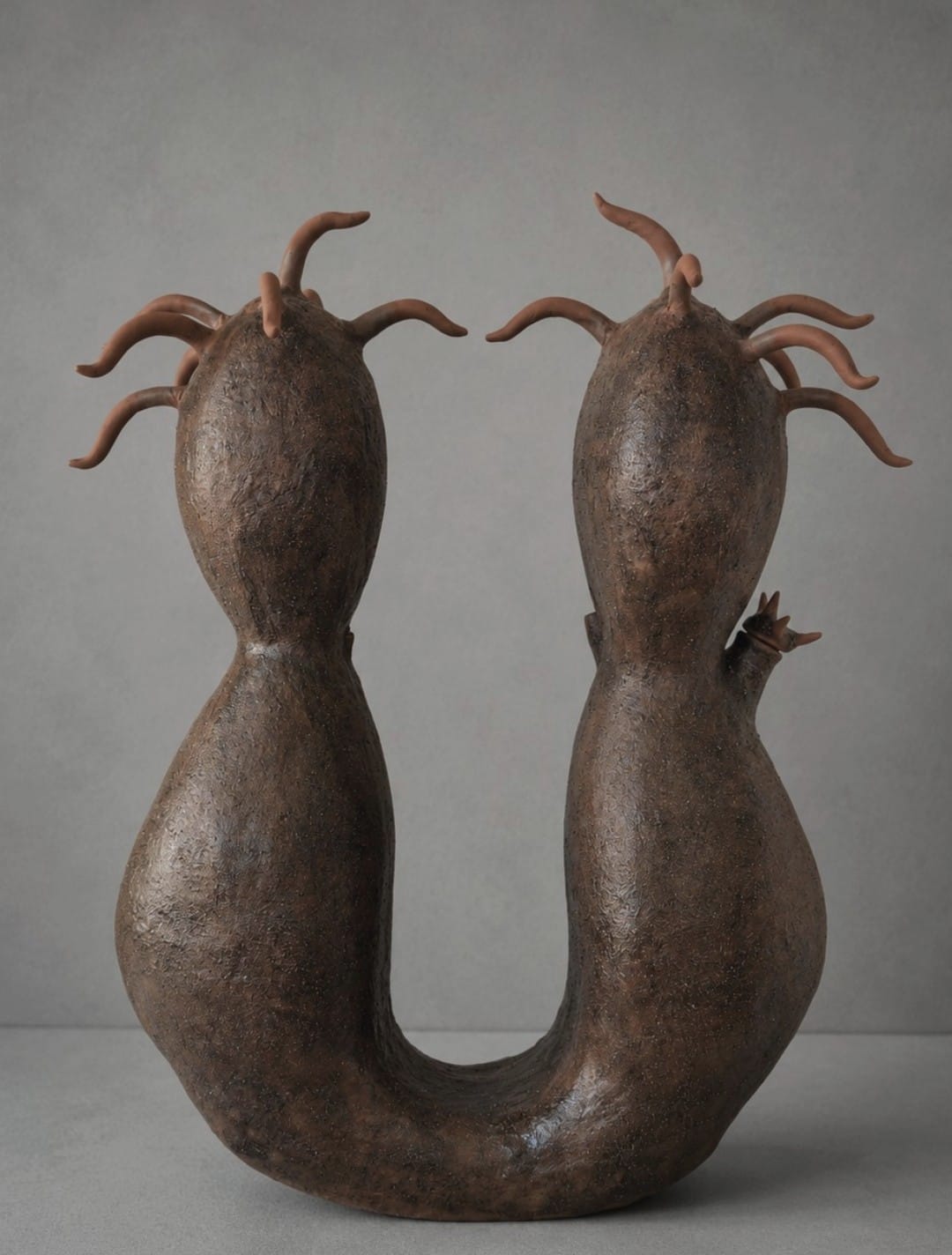
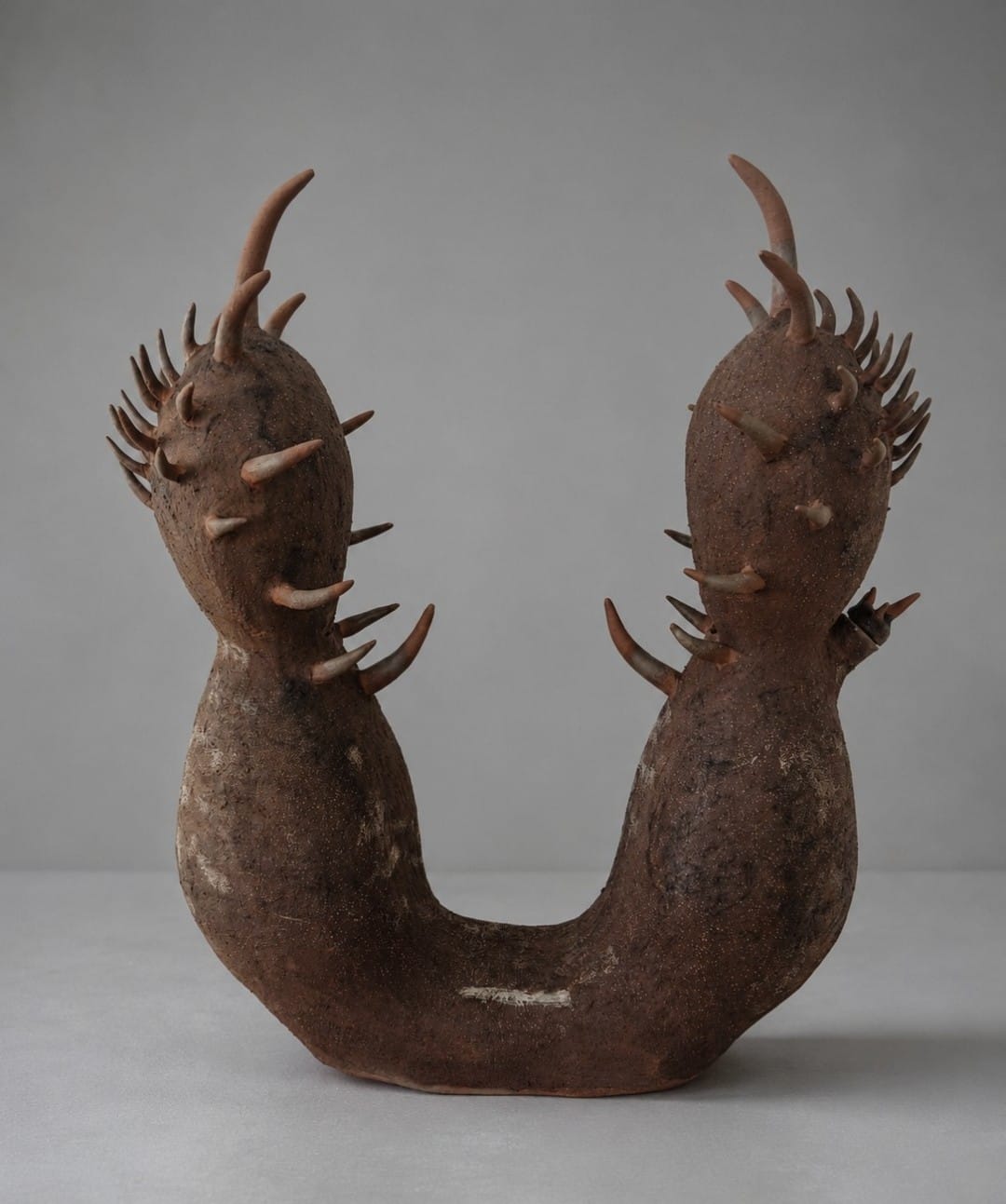
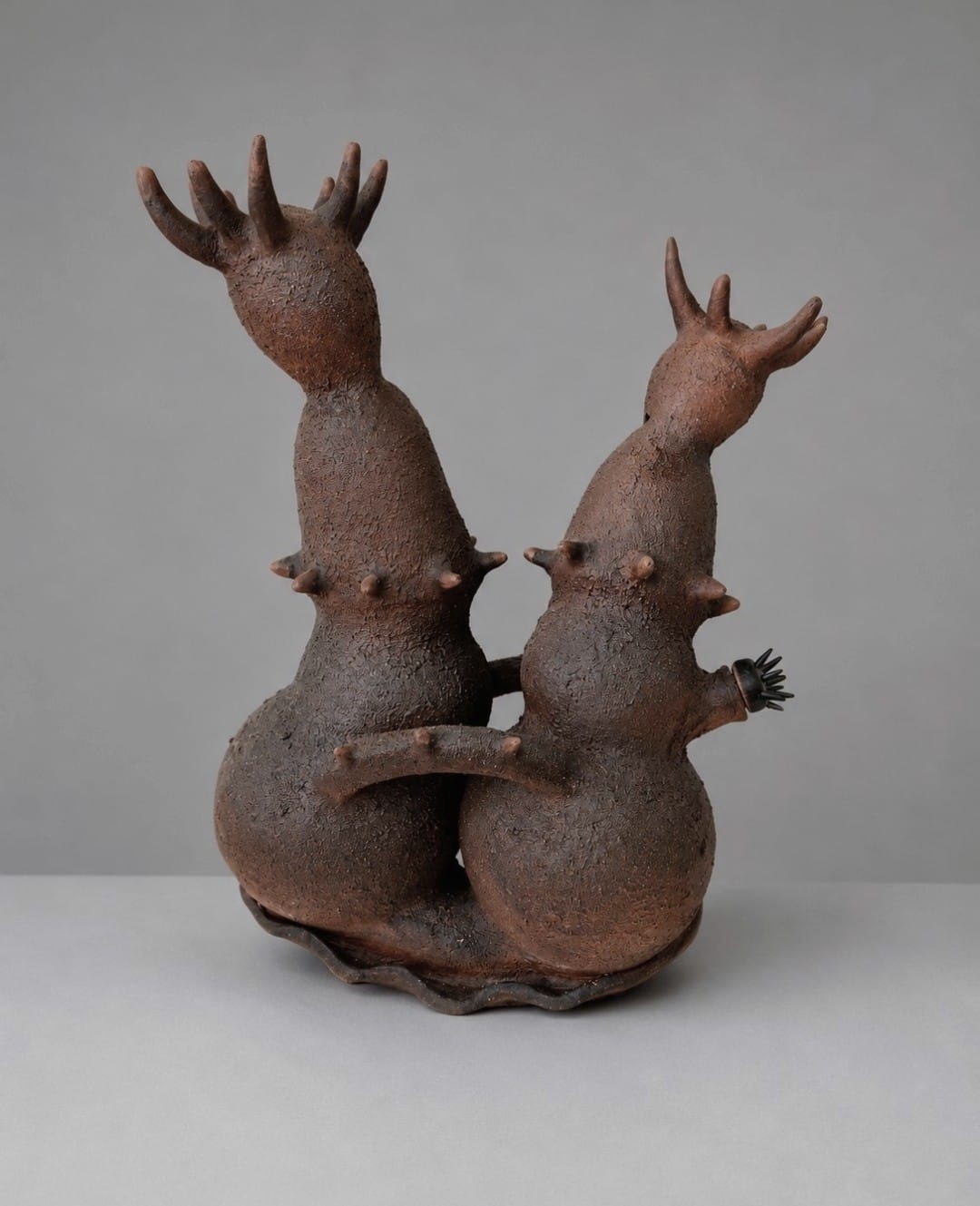
Creating these works has been as much a process of experimentation as of making. Each sculpture combines wheel throwing with hand-building techniques, while specially made kiln furniture is produced before the first vessel can even be constructed. These supports allow the rounded forms to survive the firings and have become an essential part of the making process. The sculptures are designed to hold water for extended periods, the relationship between clay, glaze, and firing became just as important as the forms themselves. Achieving a durable, waterproof vessel required extensive material testing before arriving at the combination used throughout this exhibition. The surfaces also evolved through necessity. Earlier works were finished with oxides, but after I began experiencing nausea from prolonged exposure while working with them, I was forced to reconsider my approach. Rather than abandoning the organic quality I was searching for, I began experimenting with the clay itself.
A sense of growth lies at the core of the exhibition. The thorns and connecting web-like structures are not intended to imitate plants, but instead reflect the vitality, resilience, and continual becoming that I associate with botanical life. I am less interested in representing nature than in creating forms that possess the quiet presence of living organisms.
“Sound is the thread that brings these ideas together. Throughout my life, it has been one of the primary ways through which I have experienced and understood the world. Sound has the ability to calm us, to hold us through heartbreak, and to communicate where words begin to fail. Sound is more than what we hear; it is also what we feel. It can become companionship when we are alone, and a warm blanket when the soul feels cold.”
Die Vallei van Adem invites visitors to move beyond observation and into participation. Each visitor adds to a shared experience that fills the gallery with sound, scent, and presence, transforming the exhibition into a landscape that is only formed through those who enter and play.